How Streaming Algorithms Choose What You Watch Next
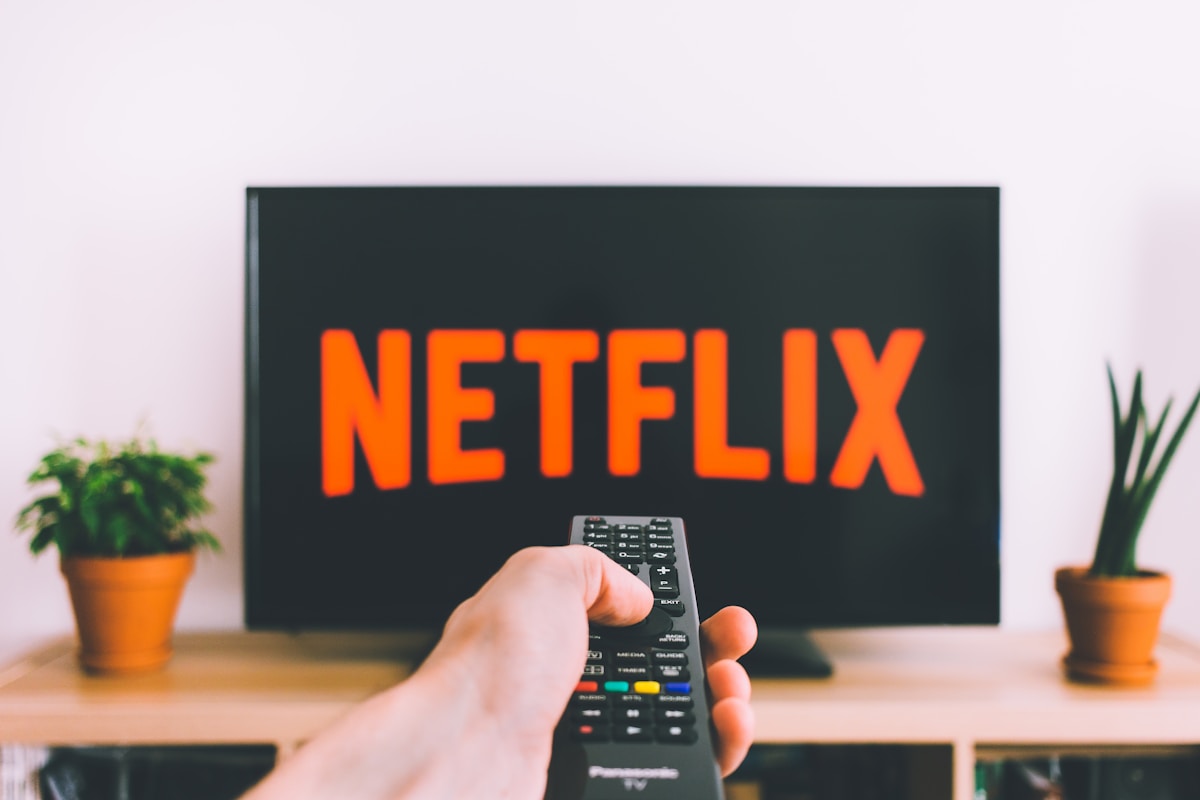
- Primary Signal: How Streaming Algorithms Choose What You Watch Next
- Overview: Your home screen is not random. Streaming services combine your watch history, viewing habits, and similar viewers to decide what appears first, and understanding that system helps...
- Verification: Analyzed and compiled by CosmoCinema 998 editorial monitoring desk.
Every time you open a streaming app, the rows you see have been arranged for you personally. The service looks at what you have watched, what you finished, what you abandoned after ten minutes, and what you searched for, then builds a profile of your taste. That profile is compared with millions of other viewers to predict which titles you are most likely to press play on next.
One of the strongest signals is completion. Finishing a series tells the algorithm you liked it, while quitting early tells it the opposite, even if you rated the show highly elsewhere. Pausing, rewinding, and rewatching scenes also count, because they suggest engagement. This is why a show you half-watched out of curiosity can suddenly dominate your recommendations for weeks.
Your viewing time and device matter too. Services notice whether you watch short comedies on your phone during lunch or long dramas on the television at night, and they adjust suggestions to fit the moment. A title that seems wrong at noon may be exactly right at nine in the evening, which is why recommendations can feel strangely accurate one day and completely off the next.
Thumbnails and trailers are part of the system as well. Platforms often test several images for the same title and show different ones to different viewers based on what has caught their attention before. If you tend to click on action-packed images, you may see a drama presented as a thriller, which explains why the same film can look very different on two people's screens.
Algorithms also balance your taste against what the service wants to promote. New originals, licensed titles about to expire, and popular trending shows often get extra visibility, even if they are not your closest match. This mix of personalisation and promotion is why your home screen always includes a few titles that feel slightly out of place.
The downside is the filter bubble. If you only watch one genre, the system keeps feeding you more of it, and you stop discovering anything new. Breaking out of the loop takes deliberate effort, such as searching directly for a genre you rarely watch, browsing the full catalogue instead of the home screen, or following a trusted critic whose taste differs from yours.
To take control, use the tools the platform already gives you. Rate titles honestly, remove items from your continue-watching row, create separate profiles for different moods, and add interesting finds to your list instead of relying on autoplay. A few small habits like these retrain the algorithm quickly, and your recommendations will start reflecting what you actually want to watch rather than what you watched last week.
One trap to avoid is letting autoplay decide your evenings for weeks on end. Autoplay is designed to keep you watching, not to help you choose well, and it often serves the easiest next episode rather than the film you actually wanted to see. Making a deliberate choice, even a slow one, usually leads to a more satisfying night than surrendering to whatever starts automatically after the credits.
Parents and shared households face an extra wrinkle, because one profile used by several people trains the algorithm on mixed tastes that satisfy nobody. Creating separate profiles for children, partners, or different moods keeps recommendations clean and prevents a single late-night documentary binge from reshaping the whole household's home screen. A few minutes of profile housekeeping can dramatically improve what everyone sees. It is also worth remembering that recommendation systems are not neutral librarians but commercial tools designed to maximise viewing time, which means they will happily serve you comfortable, familiar content forever unless you intervene. Deliberately searching for a director, a country, or a decade you have never explored is one of the simplest ways to break the pattern, and many viewers find that a single bold search leads to a whole new shelf of favourites that the algorithm would never have suggested on its own.
📖 Continue Reading the Full Story
Continue reading this article on CosmoCinema 998.
⚡ Access Full Content NowMore from CosmoCinema 998


