How Movie Soundtracks Turn Good Scenes Into Unforgettable Ones
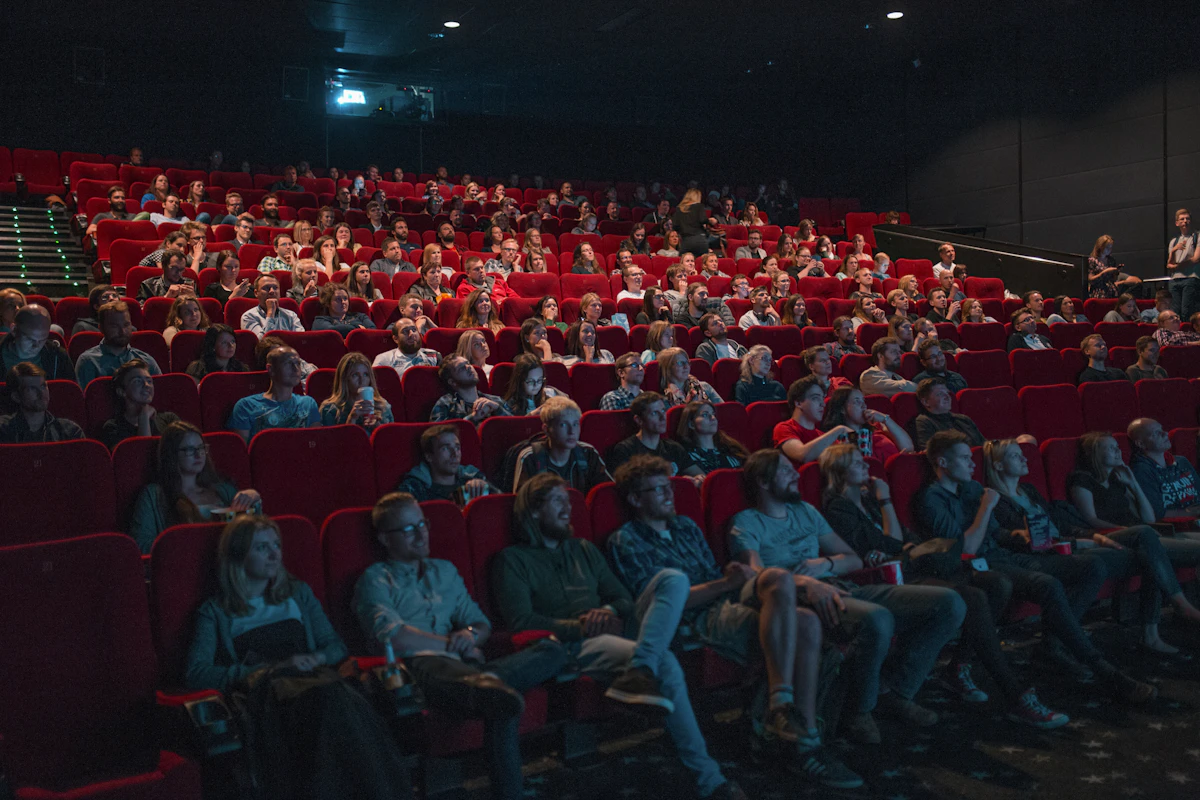
- Primary Signal: How Movie Soundtracks Turn Good Scenes Into Unforgettable Ones
- Overview: Think of the most memorable scene from your favourite film, and chances are you can hear its music before you can picture its dialogue. A great movie soundtrack does not just decor...
- Verification: Analyzed and compiled by CosmoCinema 998 editorial monitoring desk.
Think of the most memorable scene from your favourite film, and chances are you can hear its music before you can picture its dialogue. A great movie soundtrack does not just decorate a scene, it tells you how to feel, when to hold your breath, and what to remember. From soaring orchestral themes to a single repeated piano note, music is the invisible actor that turns a good scene into an unforgettable one.
Film music works on instinct. A low, pulsing drone creates dread before anything frightening happens on screen, while a rising string melody can make an ordinary reunion feel monumental. Directors use this deliberately: the score primes your emotions so that when the key moment arrives, you are already feeling it. That is why a scene watched on mute often feels flat or confusing. Remove the music and you remove the emotional instructions that guide your reaction through the story.
The strongest scores give characters and ideas their own musical identity, a short melody that returns whenever they appear. Over a film, that theme accumulates meaning: first heard in a hopeful moment, it can sound heartbreaking when it returns after a loss. Audiences learn these themes unconsciously, which is why a few notes can trigger nostalgia years later. In Indian cinema, where songs are woven into the narrative itself, a recurring melody can carry an entire love story or rivalry across decades of a character's life.
Great soundtracks know when to stop. A scene with no music at all forces you to sit with the dialogue, the breathing, and the ambient sound, which can be far more tense than any score. Directors often strip the music away at the most emotional moment, trusting the actors and the silence to do the work. The contrast is what matters: music makes silence feel heavy, and silence makes the return of music feel like a wave. Pay attention to these gaps on your next watch and you will notice how precisely they are placed.
A film song and a background score do different work. Songs, especially in Bollywood, often express what characters cannot say aloud, condensing longing, joy, or rebellion into a few minutes of melody and lyric. Scores, meanwhile, run underneath the action, shaping tension and pace without drawing attention to themselves. The best films use both: songs for emotional peaks that audiences carry out of the theatre humming, and scores for the connective tissue that keeps every scene in the right emotional key.
On your next movie night, try noticing the music deliberately. Ask yourself when the score enters, what instrument leads, and whether the same melody has appeared before. Notice how music changes your sense of time: fast rhythms make chases feel urgent, slow ones make farewells linger. You will start to appreciate composers as storytellers in their own right, and familiar films will feel richer, because you are finally hearing the half of the story that was always playing underneath the pictures.
The next time you rewatch a favourite film, try watching it once just for the music, and you will discover a whole second film hiding underneath the one you already love. Notice how the score changes when a character makes a decision, how silence is used before a revelation, and how a melody you barely registered the first time now signals exactly what is coming. Many viewers find that this kind of active listening makes old favourites feel new again, because the emotional architecture of a film is largely built from sound. You can even build a playlist of film themes you love and listen to it while working or walking, which often brings back the feelings of the scenes they came from. Composers rarely get the recognition directors and actors receive, but once you start listening deliberately, you will wonder how you ever watched films without noticing their work.
📖 Continue Reading the Full Story
Continue reading this article on CosmoCinema 998.
⚡ Access Full Content NowMore from CosmoCinema 998