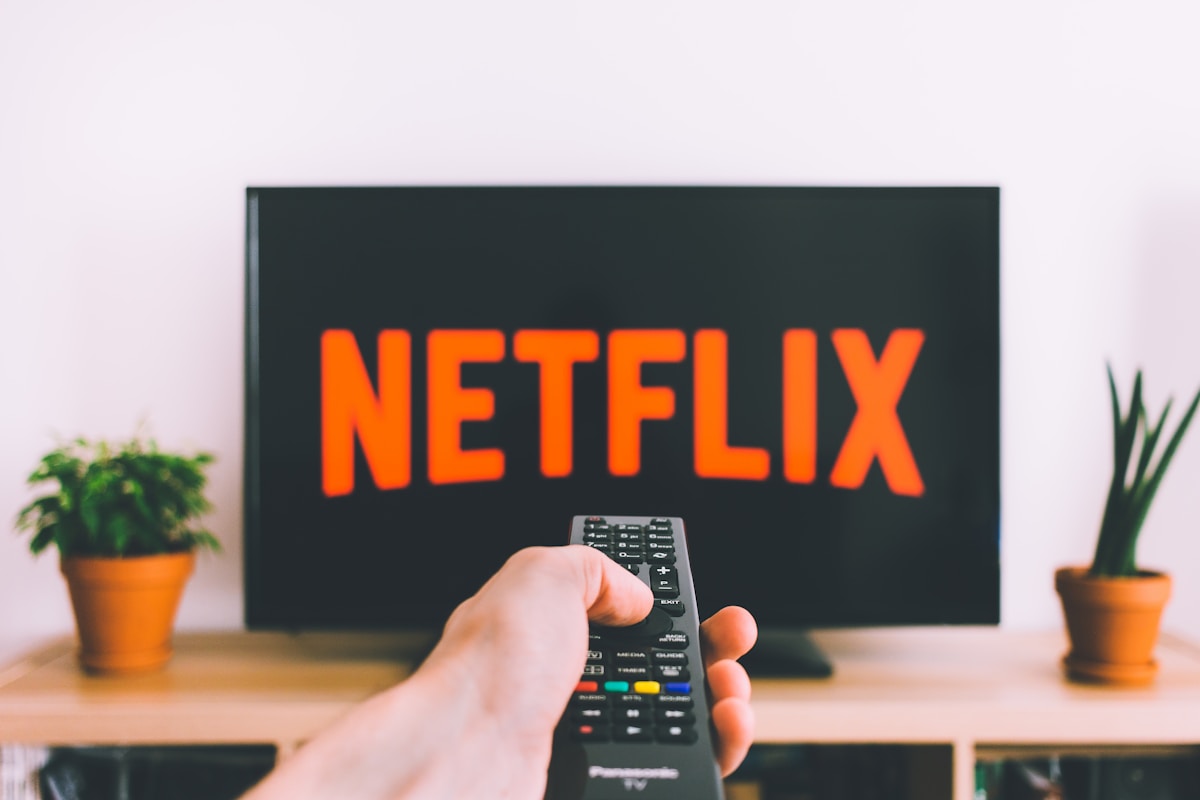
Why Movie Trailers Spoil the Film Now
- Primary Signal: Why Movie Trailers Spoil the Film Now
- Overview: Modern trailers often reveal twists, jokes, and endings. Marketing pressure, test audiences, and social media clips all push trailers to show too much....
- Verification: Analyzed and compiled by CosmoCinema 998 editorial monitoring desk.
Many viewers now skip trailers to protect the film, because trailers increasingly show the best jokes, the third-act twist, and sometimes the ending itself. In this guide, we break down what actually matters, what to ignore, and the small practical steps you can take this week to get a clearer answer without overthinking every detail.
Studios need opening weekend crowds, so trailers front-load spectacle and jokes to convince undecided viewers, even at the cost of surprise. Marketing success and viewing pleasure are different goals. That matters because a single snapshot can mislead you, while a pattern over days or weeks usually tells the real story and helps you avoid an expensive or embarrassing mistake. For most readers, the practical next step is to try the idea once in a low-stakes situation, note what worked, and adjust before committing more time or money to it.
Teaser, trailer, TV spots, and clips together can reveal the whole story, even if each individual trailer seems restrained. Watching every piece of marketing is like reading a summary first. In practice, this means slowing down for five minutes, comparing what you see with a trusted second source, and only acting once the picture stays consistent. For most readers, the practical next step is to try the idea once in a low-stakes situation, note what worked, and adjust before committing more time or money to it.
If test viewers are confused, studios add explanatory scenes to trailers, which clarifies the plot but removes discovery for everyone else. Clarity for marketing often means spoilers for fans. The key is to judge the result, not the hype around it: if it does not work in your daily routine, budget, or real-life situation, it is not the right choice yet. For most readers, the practical next step is to try the idea once in a low-stakes situation, note what worked, and adjust before committing more time or money to it.
Trailer breakdown videos, reaction channels, and frame-by-frame analysis spread reveals within hours of release. Avoiding trailers now also means avoiding trailer commentary. A useful habit is to write down what you expected, what actually happened, and what you would change next time, because that short note turns a one-off try into real learning. For most readers, the practical next step is to try the idea once in a low-stakes situation, note what worked, and adjust before committing more time or money to it.
Skip trailers for films you already plan to see, mute keywords, and watch only the teaser if you need a tone check. One teaser usually tells you genre and mood without giving away the story. This also protects you from copycat advice: what worked for someone with a different budget, audience, or schedule may need a smaller, cheaper version before it works for you. For most readers, the practical next step is to try the idea once in a low-stakes situation, note what worked, and adjust before committing more time or money to it.
One question that comes up again and again about why movie trailers spoil the film now is whether there is a single right answer. There rarely is. What works depends on your budget, your schedule, and your tolerance for risk, so compare two or three realistic options, test the smallest version first, and only scale up what actually delivers results for you.
The bottom line on why movie trailers spoil the film now is that steady, realistic steps beat dramatic shortcuts. Pick one idea from this guide, try it for a week, and judge it by how it actually feels and works in real life, not by how impressive it looks online or in someone else's highlight reel.
📖 Continue Reading the Full Story
Continue reading this article on CosmoCinema 998.
⚡ Access Full Content NowMore from CosmoCinema 998