Why Movie Trailers Spoil the Film: The 3-Minute Problem
- Primary Signal: Why Movie Trailers Spoil the Film: The 3-Minute Problem
- Overview: Modern trailers show too much of the movie. Here is why the three-minute trailer ruins twists, jokes and endings, and how to avoid it....
- Verification: Analyzed and compiled by CosmoCinema 998 editorial monitoring desk.
You sit down to watch a film you have been looking forward to, and within twenty minutes you realise you have already seen the best scenes. The jokes, the twists and even the ending were all in the trailer. This is the three-minute problem: modern trailers are so long and so packed with highlights that they leave the film itself with nothing left to surprise you. It is one of the most common complaints among moviegoers, and it is getting worse. This article explains why trailers grew so long, why studios keep making them that way, and how you can protect yourself from having every surprise spoiled.
Trailers Used to Tease, Now They Summarise
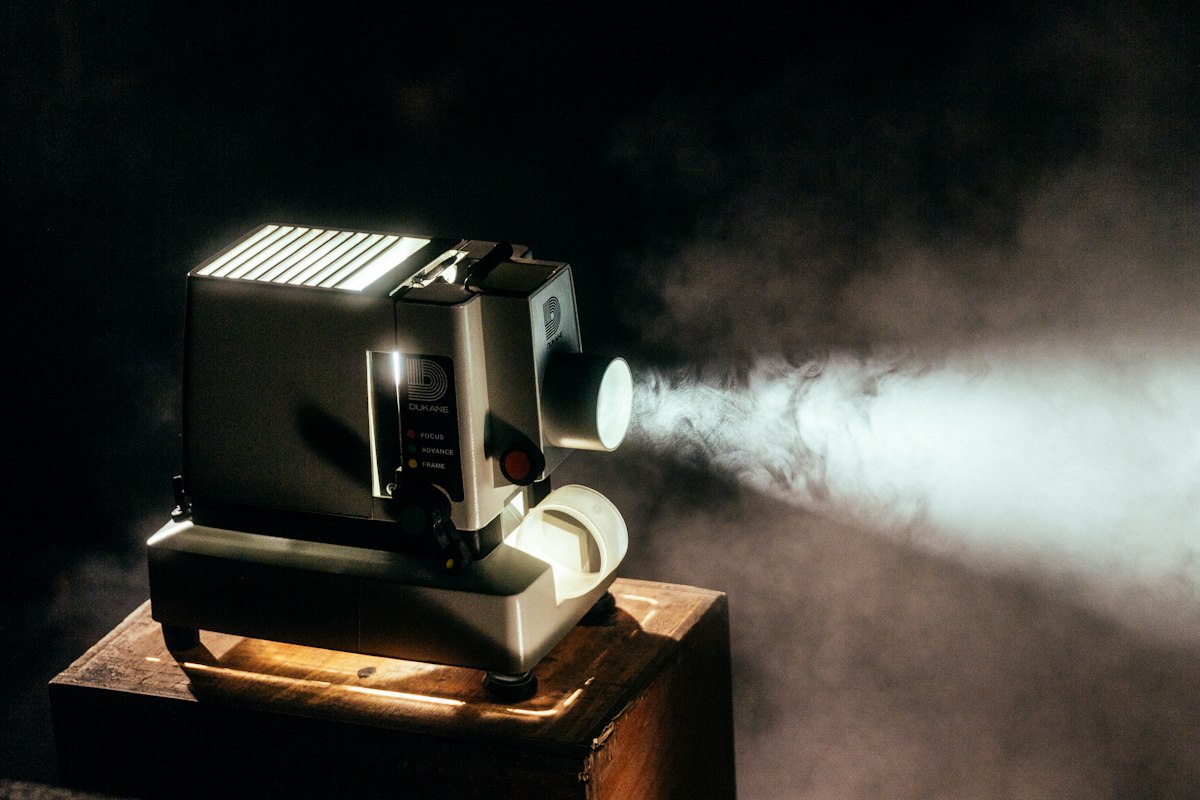
A trailer was originally a teaser, a short glimpse designed to make you curious. Over time, trailers grew longer, from ninety seconds to two minutes, and now often past three minutes. At that length, a trailer can show the entire plot: the setup, the turning points, the climax and even the resolution. Studios do this because test audiences respond to trailers that show more, but the cost is paid later, in a cinema seat, when the audience already knows what happens next.
The problem is worst for comedies and thrillers. A comedy trailer that includes every good joke leaves the film feeling flat, because the audience has already laughed at the punchlines. A thriller trailer that reveals the twist removes the tension the film worked hard to build. In both cases, the trailer has done its job too well, selling the ticket at the price of the experience itself.
Why Studios Keep Making Long Trailers
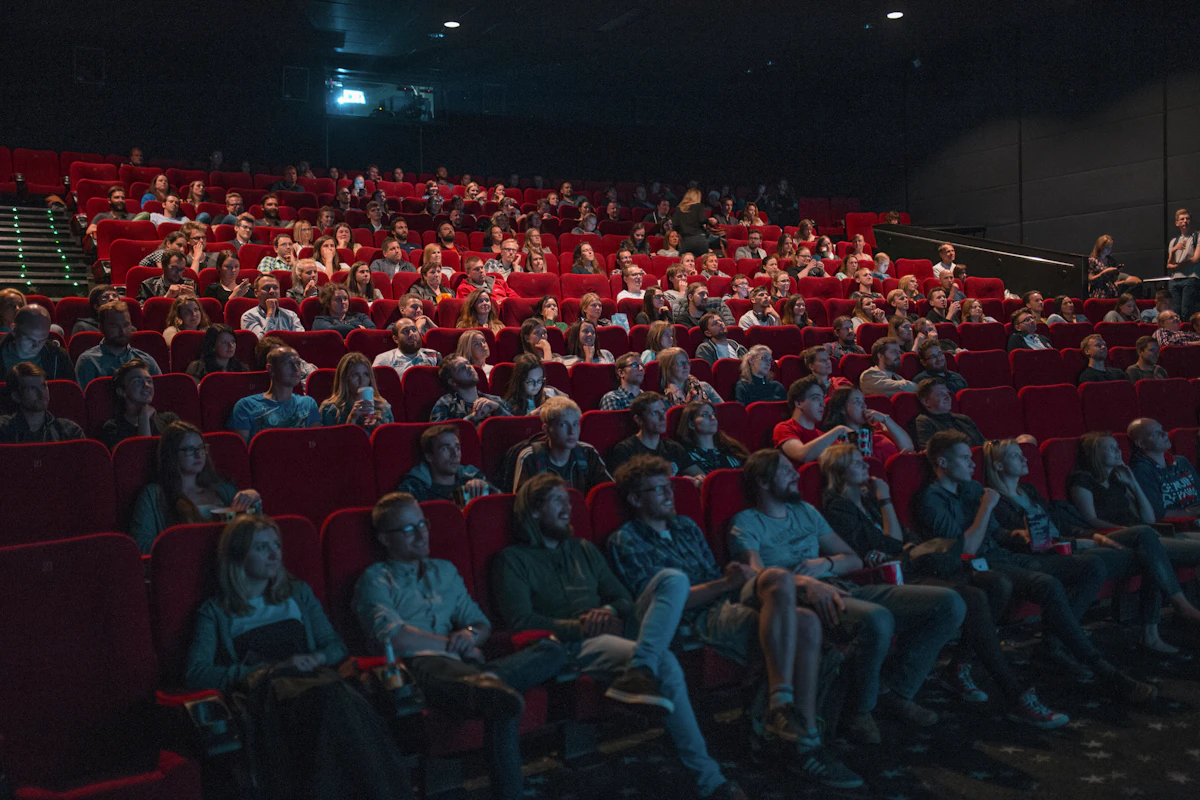
Studios make long trailers because they work as advertising. A trailer that shows the best moments gets more views, more shares and more ticket sales in the opening weekend, which is the number the industry watches most closely. The fact that audiences enjoy the film slightly less afterwards does not show up in the opening weekend figures, so there is little commercial pressure to change. Marketing teams are rewarded for the trailer, not for the viewing experience.
Streaming has made the problem worse, because trailers now autoplay on homepages and social feeds, and viewers often watch them without choosing to. A person scrolling through a feed can absorb the plot of a film they never intended to watch, and by the time they sit down to see it, the surprises are gone. The trailer has become unavoidable in a way it never was when it only played before another film in a cinema.
How to Protect Yourself From Spoilers
The simplest defence is to stop watching trailers entirely for films you already plan to see. If the poster, the cast and the premise are enough to sell you a ticket, you do not need three minutes of footage to decide. For films you are unsure about, watch only the first teaser, usually the shortest version, and skip the later trailers, which are the ones that give the most away.
You can also mute autoplay previews on streaming services and avoid trailer reaction videos, which often discuss the plot in detail. If you do watch a trailer, treat it as a risk: the more it shows, the less the film can surprise you. The best movie experiences often come from going in knowing almost nothing, and that is a pleasure worth protecting.
Trailers are not going to get shorter on their own, because they sell tickets. The power to fix the problem sits with the viewer: watch less, choose the shortest teaser, and let the film surprise you. Your next cinema trip will be better for it. The next time a film you care about is coming out, skip the trailer, trust the premise, and let the cinema surprise you the way it used to.
More from CosmoCinema 998